Travel insurance
Travel insurance is strongly recommended to cover you in case you require medical attention while overseas. Transplant recipients have some options although not all companies provide insurance, especially to those with multiple preexisting conditions.
Transplant Australia and PassportCard are working together to offer travel insurance with less paperwork and instant payouts for approved claims. Find out more here.
Insurance companies are unlikely to cover recipients if they’ve had their transplant less than 12 months. Before buying insurance, it maybe helpful to get a ‘fit to fly’ letter from your GP or transplant specialist stating that you’ve had an up-to-date health check and are considered strong enough to travel.
Transplant recipients are more likely to receive travel insurance if their vaccinations are up-to-date.
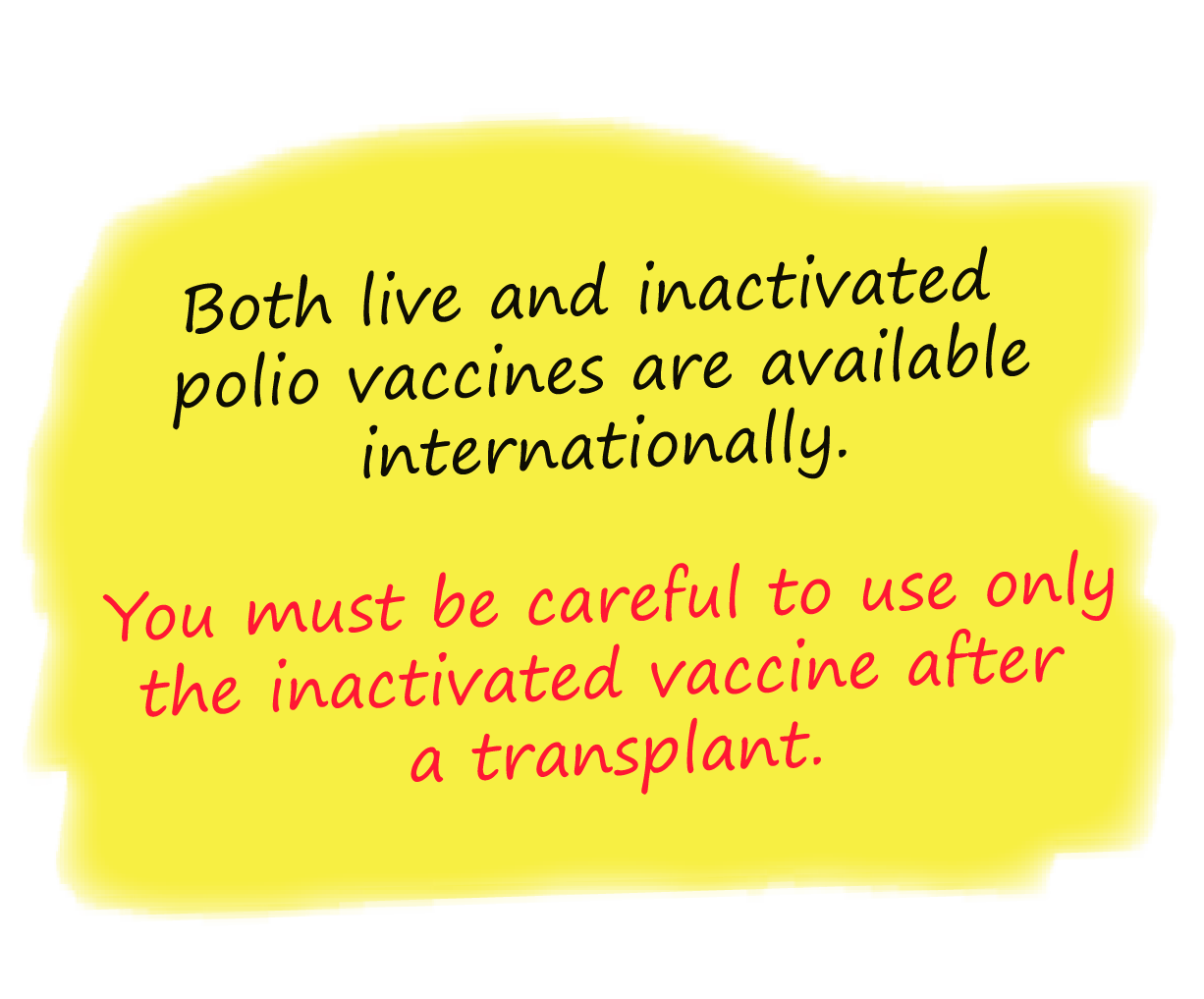
Once you select your travel destination, talk to a GP about next steps. Remember, transplant recipients cannot take any live vaccine.
Vaccinations depend on the country of travel and the time lapsed after transplantation. Click to download a table of travel-related vaccinations.

Consider taking out basic travel insurance to cover emergencies. Pay for your trip with a credit card that offers some level of travel insurance, or consider organising general travel insurance through a union, bank or superannuation fund.
Contact The Department of Foreign Affairs and Trade (DFAT) for guidelines on buying travel insurance.
For information on precautions to take in the country you’re going to, refer to:
- Travel Health Advisor
- Smart Traveller
Reciprocal Health Care Agreements (RHCA)
Australia has reciprocal healthcare arrangements with certain countries which allows you to access basic medical treatment for free. If you’re an Australian citizen, this is available to you in the following countries: New Zealand, United Kingdom, Republic of Ireland, Sweden, Netherlands, Finland, Italy, Belgium, Malta, Slovenia and Norway.
To view more on RHCA and the details of entitlements in individual countries click here.
Arrangements with each country differ on the services and care available. To be eligible to receive this care, you must have a valid passport and Medicare card. For more information click here.
The RHCA is not intended to replace travel insurance because there are limits to the amount it will cover and type of conditions it will support. Multiple conditions, chronic conditions and related issues may fall outside the boundaries of this cover; hence, it is advisable to buy travel insurance that will give peace of mind.







 Take enough medication in your hand luggage and in your checked-in baggage. If your luggage is lost, you have enough in your hand luggage, and if your hand luggage is stolen, you have enough in your checked-in luggage.
 Keeping all medications in their original packs can help if you’re questioned by customs/baggage inspectors as you go through airport security.
 Request a letter from your doctor specifying all medication you take, including the dosage and frequency. Carry this letter on you as you go through baggage screening.
 Liquid medicines are subject to the same volume restrictions as any other liquids (100 ml per container). Carry a doctor’s letter if you need more than the allowable limit of medicines on-board.
 While
While  Consult your doctor for flexibility with taking medicines. Prepare a schedule to adapt to changes in time zones.

 Watch what you eat – Try to eat something light 45 to 60 minutes before traveling. A nutritious meal low in sodium and fat, like a turkey sandwich or crackers, can help settle your stomach. Avoid foods and drinks that might make you feel unusually full.
 Where you sit – Plan in advance and choose a seat where you’ll experience the least motion. The front seat of the car is ideal. The
  How you sit – Sit facing the direction of travel. Facing backwards could make you sick.
 Bloodborne and sexually transmitted diseases:
  Carry a supply of condoms. Why? Because you may face difficulties obtaining them on the road due to language barriers and differing sexual education/reproductive health mandates, so it’s always good to be as prepared as possible. In some countries like the Philippines and Nigeria, where the use of condoms is low, unprotected sex can lead to infections like